
Comms
No communication
The scan tool cannot talk to the module, or the response is unstable.
Electronic Module
ECU, BCM, EME, inverter, and related module fault finding with repair-first logic where practical.
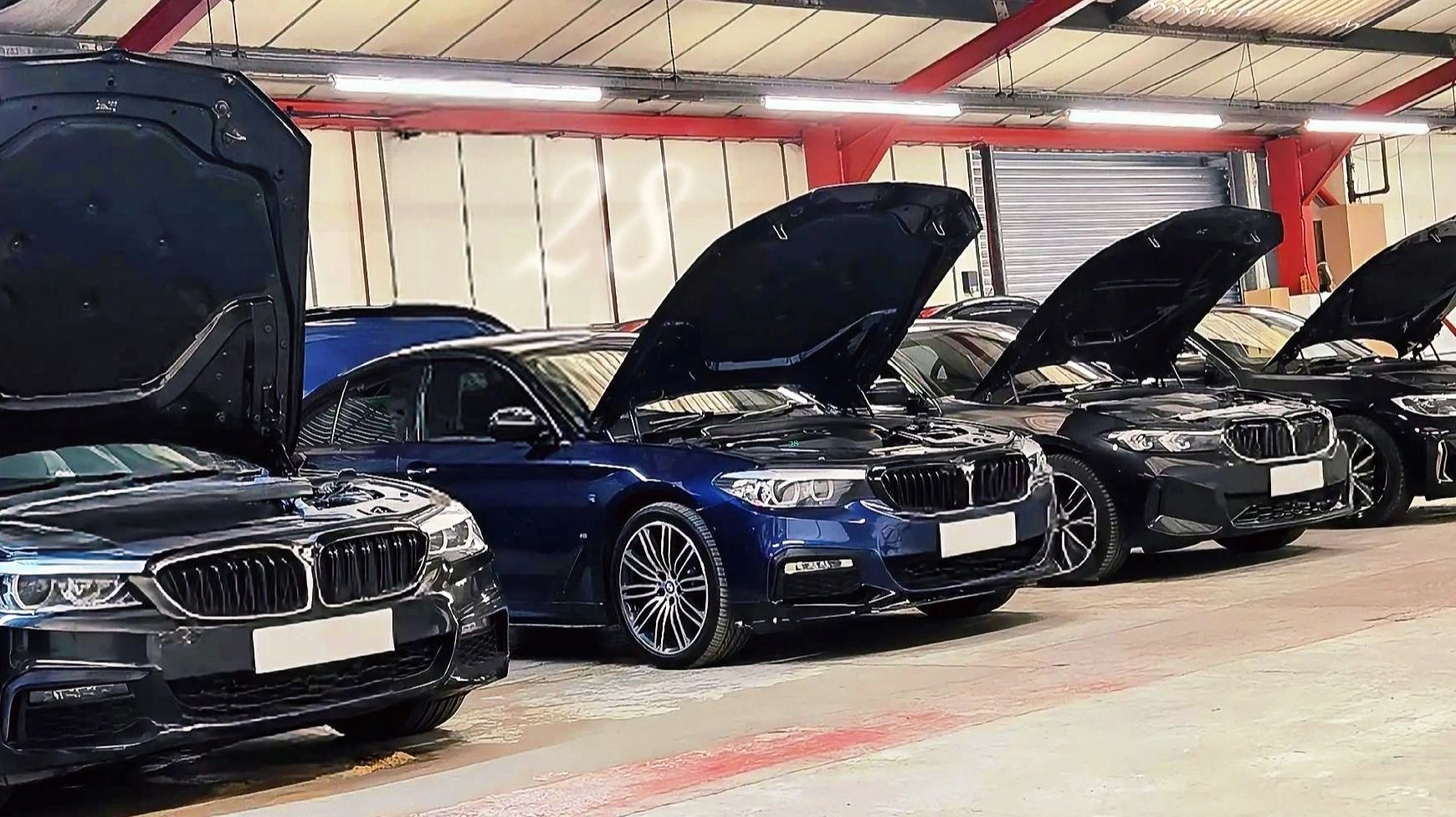
A module fault is not always a dead box. It may be a corrupted memory state, a weak supply, a broken solder joint, or a network issue around the module.
The archived content already points to EME, inverter, ECU, and BCM level work. That is a good starting point because it shows the workshop thinks in terms of systems, not just isolated parts.
Comms
The scan tool cannot talk to the module, or the response is unstable.
Faults
The module is present but complaining about network, power, or state issues.
Starting
The module may be preventing the vehicle from starting or waking correctly.
Powertrain
Inverter and drive-control modules can fail in ways that affect the whole vehicle.
Behavior
The fault appears and disappears depending on temperature, load, or wake cycle.
Repair
Where safe and practical, component-level repair can be the better route.
Start by understanding what the module does in the wider vehicle system.
Use the right test method for the fault rather than forcing a one-size-fits-all approach.
Power supply, grounding, communication, and board-level damage are common starting places.
Component-level repair is only used where the fault and the module condition make it practical.
The repaired module needs to respond correctly back in the vehicle, not just on the bench.
The old site grouped modules together but did not explain the logic behind the service. The expanded page should make that logic visible: the vehicle is a network of modules, and diagnosis often starts with communication and power rather than replacement.
That framing helps the user understand why module repair can be more targeted, less expensive, and more appropriate than swapping parts at random.
The current site mentions ECU, BCM, EME, and inverter-related work, and that range is the right public baseline.
Sometimes yes. The public site should say "where practical" so expectations stay realistic.
Yes, when bench testing is the right way to understand the fault path.
Book now
Book now
If the module is not communicating, include that in the first message. If another workshop has already replaced parts, mention that too so the history is not lost.